How to Build a Productive Morning Routine Using AI Tools
Design a morning routine that sets up your entire day for success. Learn how AI tools automate planning, prioritization, and focus so you start strong every morning.
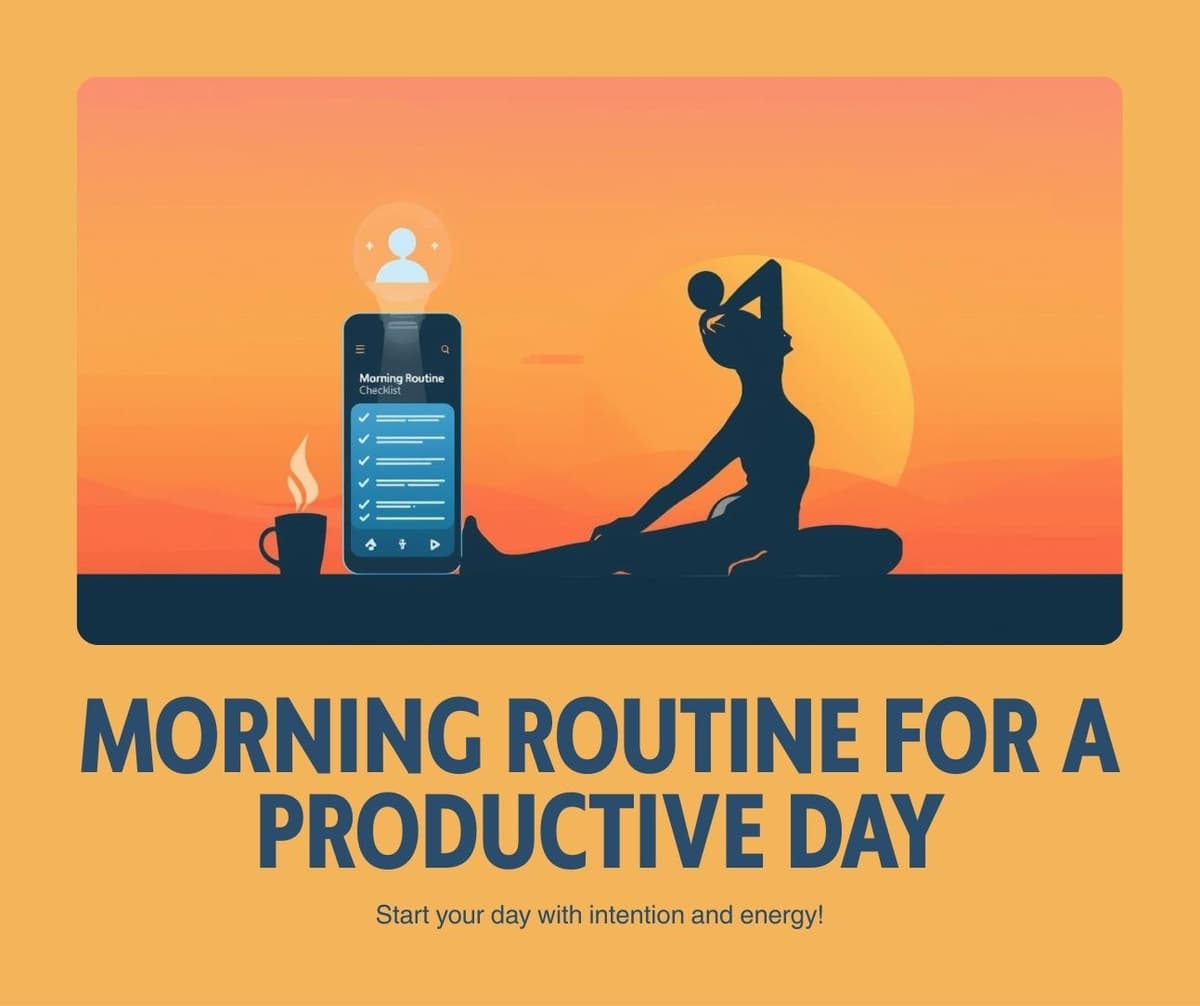
A productive morning routine powered by AI tools starts with automated daily planning, moves into a focused deep work block, and uses intelligent scheduling to protect your most valuable hours. The combination of consistent habits and AI assistance creates a system that eliminates decision fatigue and maximizes your output before lunch.
Most productivity advice focuses on what to do in the morning. Wake up early, exercise, journal, meditate. While these habits have value, they miss the structural problem: most people start their day reacting to emails, messages, and other people's priorities instead of executing their own plan. AI tools solve this by automating the planning and prioritization steps that most people skip.
The Five-Minute AI Planning Session
Before you check email or open any messaging app, spend five minutes with an AI assistant to plan your day. Open ChatGPT or Claude and paste your task list along with any calendar commitments. Ask the AI to prioritize your tasks based on deadlines and impact, then suggest an optimal schedule that accounts for your meeting times.
This single habit eliminates the twenty to thirty minutes most people waste each morning figuring out what to work on first. The AI considers all your commitments simultaneously and produces a time-blocked plan that you can follow immediately. For more ways to leverage AI in your workflow, see 10 ways to use AI to save time weekly.
Save a reusable prompt template for your daily planning session. Include your typical work hours, preferred deep work times, and any recurring commitments. The AI produces better plans when it understands your constraints.
Protect the First Ninety Minutes
Research consistently shows that cognitive performance peaks in the first two to three hours after waking. This is when your brain handles complex problem-solving, creative thinking, and strategic decisions most effectively. Spending this time on email is a waste of your best mental hours.
Block the first ninety minutes of your workday exclusively for your most important task. Turn off all notifications. Close email tabs. Put your phone in another room if necessary. This single block of focused work often produces more meaningful output than the entire rest of the day combined.
AI scheduling tools like Reclaim.ai can automatically protect this focus block on your calendar, declining meeting requests during your peak hours and suggesting alternative times to meeting organizers.
Automate Your Email Triage
After your deep work block, use AI to process your inbox efficiently. Gmail and Outlook now include AI-powered categorization that separates urgent messages from newsletters, notifications, and low-priority communications.
Process your inbox in order of AI-assigned priority. For messages that require responses, use an AI writing assistant to draft replies. Describe the key points you want to communicate and let the AI handle the wording. Review each draft for accuracy and tone, then send. This approach reduces email processing time from sixty minutes to under twenty.
Use AI for Meeting Preparation
If you have meetings scheduled for the day, spend five minutes asking an AI assistant to help you prepare. Provide the meeting agenda or topic, and ask for a brief summary of relevant context, potential discussion points, and questions you should consider asking.
Walking into every meeting prepared elevates your contribution and reduces the time spent in unproductive discussions. Teams with prepared participants consistently finish meetings faster and make better decisions.
Build Your Routine Gradually
The mistake most people make with morning routines is trying to implement everything at once. A complete overhaul of your morning rarely sticks beyond the first week. Instead, add one element at a time and practice it until it becomes automatic before adding the next.
Start with the five-minute AI planning session since it delivers the most immediate impact. After one week, add the protected deep work block. After another week, implement the AI email triage. This gradual approach builds a sustainable routine rather than an ambitious plan that collapses under its own weight.
The Energy Management Principle
Your morning routine should account for energy patterns, not just time management. High-energy tasks like strategic thinking, writing, and problem-solving belong in the morning. Low-energy tasks like email, administrative work, and routine meetings belong in the afternoon when cognitive performance naturally declines.
AI scheduling tools can learn your energy patterns over time and automatically schedule tasks during your optimal windows. This removes the mental effort of deciding when to work on what and ensures your hardest work gets your best hours. Check out our list of best productivity apps for more tools that optimize your schedule.
What to Avoid in Your Morning Routine
Do not check social media before completing your deep work block. Social media activates your brain's reward circuitry and makes focused work significantly harder for the next sixty to ninety minutes.
Do not attend meetings in the first two hours of your workday unless absolutely unavoidable. Each meeting fragments your attention and prevents the sustained focus that produces your best work.
Do not spend your morning planning without executing. The five-minute AI planning session should take exactly five minutes. If you find yourself spending thirty minutes organizing tasks, color-coding categories, and tweaking your system, you are procrastinating with the appearance of productivity.
Measuring Your Morning Productivity
Track two simple metrics for one month. First, record how many minutes of uninterrupted deep work you complete before noon each day. Second, note whether you completed your single most important task before lunch. After thirty days, review the data. Most people discover that their productive mornings correlate directly with following the routine and that skipping any element produces noticeably worse outcomes.
Frequently Asked Questions
What time should I wake up for a productive morning?
The specific time matters less than consistency. Choose a wake-up time that gives you at least ninety minutes of work before your first meeting or obligation, then maintain that time seven days a week. Consistency in sleep schedule improves cognitive performance more than waking up early.
What if I am not a morning person?
The principles apply regardless of when your day starts. If you work evenings, your first ninety minutes of work are your morning, even if the clock says six in the evening. Apply the same structure to whatever time begins your productive day.
How long does it take to build a solid morning routine?
Most people establish a consistent routine within three to four weeks of daily practice. The first week requires conscious effort. By the second week, the sequence starts feeling natural. By the fourth week, it becomes automatic.
Related Articles

Best AI Email Marketing Tools to Grow Your List in 2026
February 6, 2026

7 Best Free AI Writing Tools in 2026: Tested and Ranked
February 6, 2026

Best Free Project Management Tools Compared: 2026 Edition
February 6, 2026
5 Time Management Methods That Actually Work (Tested for 2026)
February 6, 2026