5 Time Management Methods That Actually Work (Tested for 2026)
Pomodoro, time blocking, Eisenhower matrix, getting things done, and eat the frog. We tested each method for 30 days and measured the results.
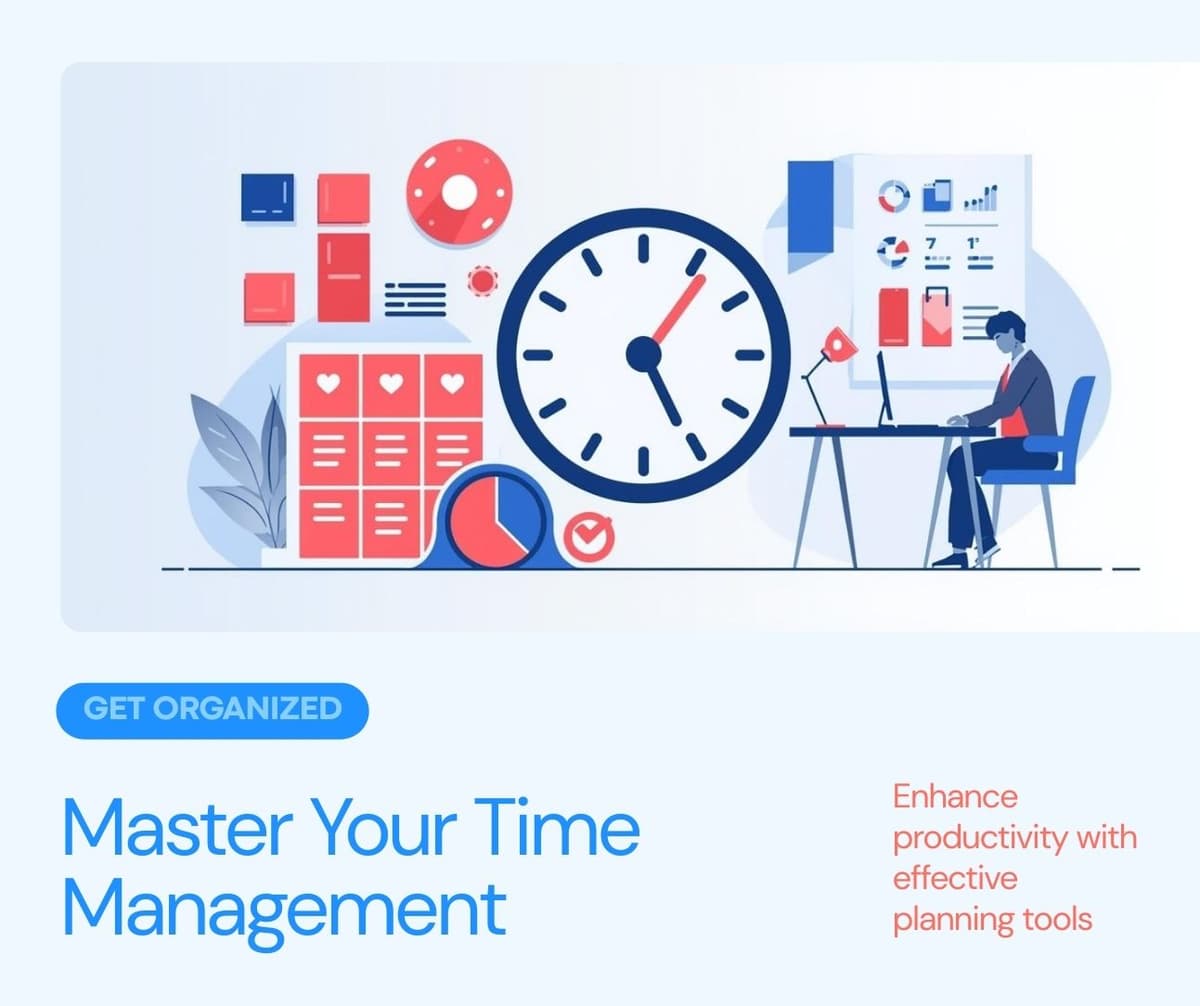
The five most effective time management methods are the Pomodoro Technique for maintaining focus, Time Blocking for structuring your day, the Eisenhower Matrix for prioritization, Getting Things Done for managing complex workloads, and Eat the Frog for overcoming procrastination. After testing each method for thirty days, Time Blocking produced the most consistent improvement in daily output for knowledge workers.
Time management is not about doing more things. It is about doing the right things during the right hours with enough focus to produce quality results. Each method below addresses a different productivity challenge. Choose the one that matches your biggest struggle.
For a deeper understanding of sustained focus, read our guide on how to focus and do deep work.
1. The Pomodoro Technique
The Pomodoro Technique splits work into twenty-five-minute focused intervals separated by five-minute breaks. After four intervals, take a longer break of fifteen to thirty minutes. The timer creates urgency that prevents procrastination and the breaks prevent mental fatigue.
This method works best for people who struggle with sustained focus and find themselves frequently distracted. The short intervals feel manageable even for tasks you dread. Starting a twenty-five-minute timer is psychologically easier than facing an entire afternoon of work.
During our thirty-day test, the Pomodoro Technique increased completed tasks by twenty-two percent compared to unstructured work. The main limitation is that some tasks require longer uninterrupted focus, and the twenty-five-minute intervals can feel disruptive when you are in a flow state.
When you hit a flow state during a Pomodoro session, ignore the timer and keep working. The technique exists to help you start focusing, not to force you to stop when focus comes naturally.
2. Time Blocking
Time Blocking assigns every hour of your workday to a specific task or category of work. Instead of maintaining a to-do list and hoping to complete everything, you decide in advance exactly when you will work on each item.
This method produced the best results in our test. Completed high-priority tasks increased by thirty-five percent, and the feeling of being overwhelmed decreased significantly. When every hour has a purpose, you spend zero time deciding what to work on next, which eliminates one of the biggest productivity drains.
The evening before each workday, review your task list and assign each item to a specific time slot. Block your most important tasks during your peak energy hours, typically morning for most people. Batch similar tasks like email, calls, and meetings into dedicated blocks to reduce context switching.
3. The Eisenhower Matrix
The Eisenhower Matrix categorizes every task into one of four quadrants based on urgency and importance. Urgent and important tasks are done immediately. Important but not urgent tasks are scheduled for specific times. Urgent but not important tasks are delegated. Tasks that are neither urgent nor important are eliminated.
Most people spend their days reacting to urgent tasks while neglecting important strategic work. The matrix forces you to recognize that urgency and importance are not the same thing. Answering emails feels urgent but is often less important than writing a project proposal that is due next week.
This method works best as a prioritization framework combined with another method for execution. Use the Eisenhower Matrix to decide what to work on, then use Time Blocking or Pomodoro to execute.
4. Getting Things Done (GTD)
Getting Things Done is a comprehensive system for capturing, organizing, and executing all your tasks and commitments. The method requires capturing every task and idea in a trusted system, clarifying what each item requires, organizing items by context and priority, reviewing your system weekly, and engaging with tasks based on current context and energy.
GTD is the most thorough method but also requires the most setup and maintenance. The weekly review alone takes thirty to sixty minutes. For people managing complex projects with many moving parts, GTD prevents anything from falling through the cracks.
During our test, GTD reduced forgotten tasks to nearly zero and eliminated the mental stress of trying to remember commitments. However, the overhead of maintaining the system was significant compared to simpler methods.
5. Eat the Frog
Eat the Frog is the simplest method on this list. Identify the single most important or most dreaded task on your list and complete it first thing in the morning before doing anything else. Once your hardest task is done, the rest of the day feels easier and more productive.
This method works best for chronic procrastinators who consistently push difficult tasks to tomorrow. By committing to tackle the hardest item first, you build momentum and confidence that carries through the rest of the day.
During our test, completing the most important task before ten in the morning correlated with higher overall daily productivity and lower stress levels throughout the afternoon.
To build these habits into a consistent routine, see our guide on building a productive morning routine with AI tools.
Which Method Should You Choose
If you struggle with focus and distractions, start with Pomodoro. If you feel overwhelmed and disorganized, start with Time Blocking. If you work on the wrong things and neglect strategic priorities, use the Eisenhower Matrix. If you manage complex projects with many commitments, implement GTD. If you procrastinate on difficult tasks, practice Eat the Frog.
Many productive professionals combine methods. A popular combination is using the Eisenhower Matrix to identify priorities each morning, Eat the Frog to complete the most important task first, and Time Blocking to structure the remaining hours.
Once you've chosen your method, support it with the best productivity apps to track tasks and manage your calendar.
Frequently Asked Questions
How long should I try a method before deciding if it works?
Give any method at least three weeks of consistent daily use. The first week is uncomfortable because you are changing habits. The second week starts feeling more natural. By the third week, you can accurately evaluate whether the method improves your output.
Can I combine multiple time management methods?
Yes, and most productive people do. The methods address different challenges. Combining a prioritization method with an execution method covers more of your productivity needs than any single approach.
What if none of these methods work for me?
If structured methods feel constraining, your issue might not be time management. Consider whether you are working on things that genuinely interest you, whether your workload is realistic, or whether underlying stress or health issues are affecting your ability to focus. Sometimes the solution is not a better system but a better situation.
Related Articles
How to Focus and Do Deep Work in a World of Distractions
February 6, 2026
The 8 Best Productivity Apps That Actually Work in 2026
February 1, 2026
How to Build a Productive Morning Routine Using AI Tools
January 31, 2026
How to Stay Productive Working from Home: A Practical Guide
January 30, 2026